I became a designer because I love solving problems.
So often product experiences are more complicated than they need to be. I want to know why things were designed that way, who else is affected by it, and how we could solve it in a more innovative way. Product design gives me an outlet for that kind of problem solving because I get to ask questions, understand how something actually works, and explore different ways it could work better.
Great design should feel effortless. Sometimes it should be noticeable because it's joyful, delightful, or genuinely fun. Other times, especially when someone is trying to get real work done, it should be so efficient and seamless that it isn't noticeable at all. They can simply do what they came to do without an issue.
For the past 11 years, I've designed products for construction teams, field technicians, dispatchers, educators, salespeople, and workers with intellectual and developmental disabilities. Those users work in very different environments, but I keep seeing the same problems show up:
- A confusing interaction can lead to bad data.
- A frustrating workflow can be the reason a customer doesn't renew.
- One unnecessary step can become a daily problem for thousands of people.
I love getting close enough to the work to understand those connections and then figuring out a clear way forward.
It's a good time to get me onboard when the problem is still tangled and the answer isn't obvious because I can bring research, systems thinking, product strategy, design, and technical fluency together to solve it. I love figuring out which kind of experience people need and solving the problems that get us all celebrating.
User Manual
A quick guide to how I think, collaborate, make decisions, and do my best work.
- I'm brought in early enough to shape the problem statement.
- The problem is complex and the stakes are real.
- There's trust, candor, and room to think.
- We talk to users. A lot.
- Decisions are made with 0 evidence.
- Speed is prioritized over learning.
- Design is treated like decoration.
- "What problem are we actually solving?"
- "How do users do this today?"
- "What happens when this fails?"
- "How will we know if this worked?"
- Cognitive load
- Broken workflows
- Naming inconsistencies
- Missing feedback loops
- Edge cases
- Simplifying unecessary complexity
- Learning from observing users
- Building systems that scale
- Collaborating with sharp, kind humans
- High team morale and a healthy work-life balance
- Shipping work I'm proud of
- I'm brought in early enough to shape the problem statement.
- The problem is complex and the stakes are real.
- There's trust, candor, and room to think.
- We talk to users. A lot.
Questions I'm often asked
Thoughts on design, leadership, and everything in between.
A good design leader creates clarity and trust. They align the team around the right problems, remove blockers, and know when to zoom out, get into the details, or give another designer room to lead. They create rituals that make the team stronger: critiques, research reviews, pairing, workshops, skill sharing, and opportunities to connect as people. They listen well, communicate clearly, and invest in each designer's growth. Most importantly, they give design a seat at the table. Design should help define problems, shape strategy, and find innovative solutions rather than becoming a factory for decisions made elsewhere.
Good design leadership gives design a seat at the table and gives designers room to lead.
Questions I'm often asked
Thoughts on design, leadership, and everything in between.
Writing on design & beyond
Design philosophy on systems, motivation, and process.
Read on Substack
Away from my desk
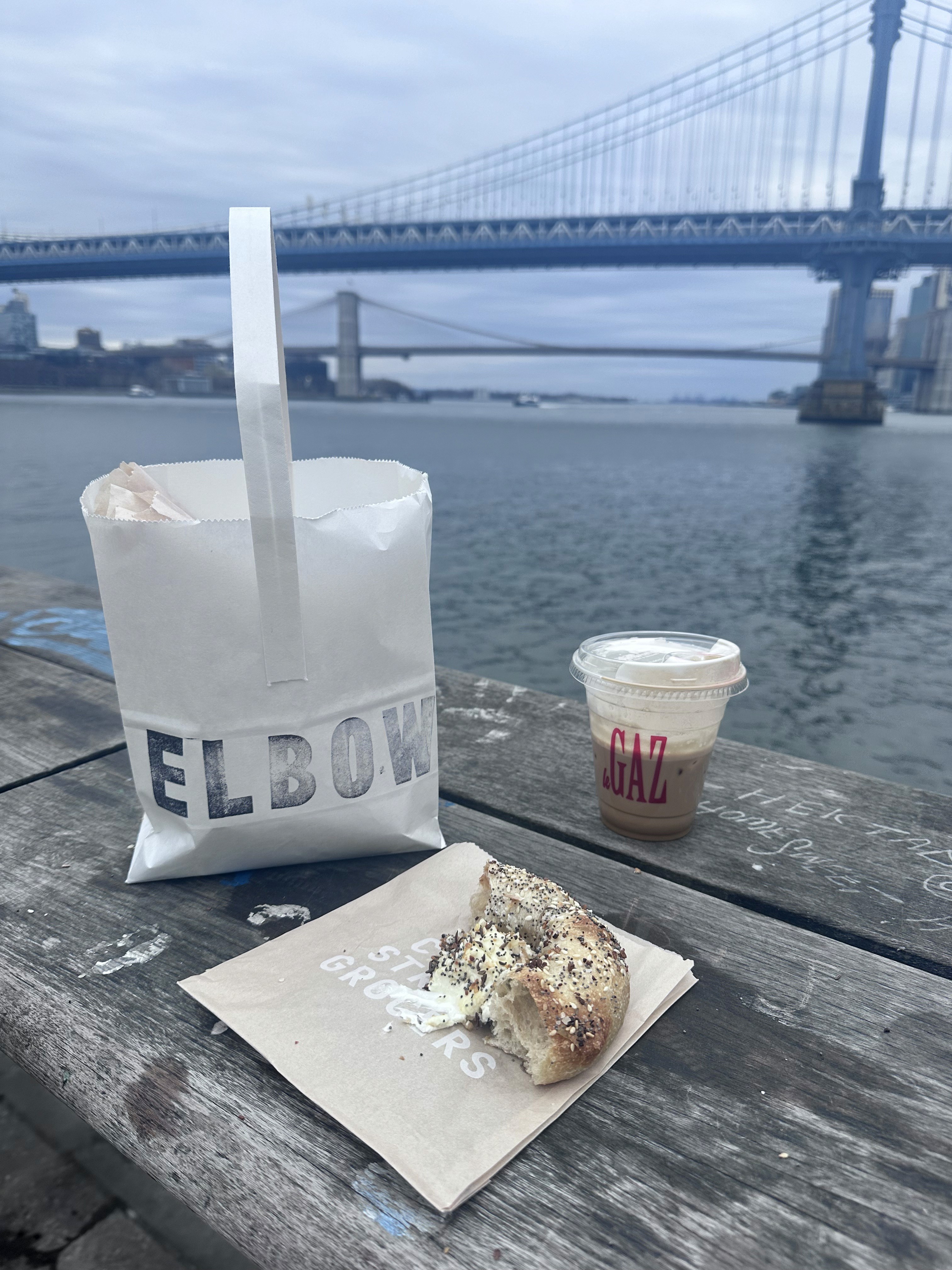
I love living in New York! These are a few of the places and parts of my life here that I love the most.